Thursday, March 13, 2014

It's What Chile Wants


There is no more spectacular air flight than the one from Buenos Aires, Argentina to Santiago, Chile, a two-hour journey that begins over the muddy Rio de la Plata, continues over the expansive pampa, and then the lush vineyards of the pre-montane region around Mendoza.  The plane then winds through the snowcapped peaks of the Andes, on a clear day seemingly brushing against the highest mountain in South America, Aconcagua, before immediately descending over Chile’s fertile central valley and into Santiago’s airport, too often cloaked in the persistent Santiago smog.

Yesterday, March 11, 2014, we made this trip, after a wonderful visit to Buenos Aires and the Salta region in northwest Argentina where we tasted every brand of Argentina’s newest wine phenomenon, the Chardonnay-like Torrontés.  Wishing we could have stayed longer, we returned to Santiago to be present on the day Michelle Bachelet was sworn in again as Chile’s president.  We were afraid our flight might be delayed because there were many important invitees to this ceremony, including the presidents of Mexico, Peru, Ecuador, Bolivia, Brazil, Argentina, Colombia, and until the last minute when he cancelled, Venezuela.  U.S. VP Joe Biden and wife did show up.  But there was no delay and no problem in spite of the fact that Santiago’s airport has become way too small for the amount of traffic it is handling.  We cleared security and customs quickly.  (An aside:  I was pleasantly surprised to see that in the airport, the sign directing residents of certain countries to proceed to a special window to pay a “reciprocity” tax, most recently about US$ 160, no longer lists USA residents; product of the recent agreement between Chile and the US that Chileans no longer have to obtain costly tourist visas to enter the US.  Nice deal for everyone.)

 The taxi ride to our home revealed a city even calmer than on a normal workday, seemingly indifferent to the official goings-on, probably because the Bachelet swearing-in ceremony was held in Valparaiso, where the Pinochet regime moved the Parliament to get the troublesome legislators out of his hair. But following that, Bachelet was scheduled to make her first speech as president around six pm from the same window of the Presidential Palace in Santiago where Salvador Allende, in 1973, stood and watched as the Air Force Hawker Hunter jets put an end to his “empanadas y vino tinto” socialist revolution.

But prior to her short helicopter ride from Valparaiso to Santiago, Bachelet was sworn in as president in a terribly emotional ceremony laced with symbolism.  Prior to Bachelet’s swearing in, Isabel Allende, Salvador Allende’s daughter, was sworn in as president of the Chilean Senate.  In that role, it fell to her to take the presidential sash from outgoing President Sebastian Piñera, and place it on the new president.  The memory of their fathers permeated the moment, especially for the two of them but also for anyone who was around in 1973 when the long journey of these two really amazing women took a tragic turn.  The entire scene forced you to take a long look back in history and reflect on all that has happened from 1970 to now, and in looking ahead, begged the question:  Will this new socialist-led government, in the hands of the next generation of politicians, end up any different?  And the answer most Chileans I talk with is: Of course it will end differently.  The world has changed, Chile has changed, and these leaders have changed.  Some will differ from this view, but here are a couple of trends that seem to be relevant and indicative as to how Chile could progress politically and economically in the near future.

First, Chile has experienced a long period of economic growth and full participation in the global market of goods, services, and technologies, and as a result Chileans have become, for the most part, cognizant that growth is necessary for development.  However, in spite of the gift of copper, Chile is a relatively poor country (as compared to Argentina, a country rich in natural resources), so Chileans have had to work and study hard to grow the economy and learn to compete in the globalized market, developing a national capability Bachelet and her team recognize and want to sustain.  On the other hand, the Chilean society is a very inequitable one, such that while the economy shows impressive macro level economic numbers, the fruits of their labor are distributed badly, costs to individuals of health care and education are as high as anywhere in the hemisphere, affecting the middle class as well as the poor.  In her inaugural speech, Bachelet affirmed that “Chile’s only enemy is inequality”.  The program she ran her election on, and which she is now proceeding to implement, is directly and explicitly designed to decrease the level of inequality in Chilean society; better access to basic services across the board, more open political decision-making, and overall a less skewed distribution of the country’s wealth. 

Reacting to critics, she has stated firmly and repeatedly that she does not believe socio-economic justice has to be a tradeoff with economic growth.  In fact, she believes the level of inequality in Chile is inhibiting the next stage of growth.  She claims her tax system reform (one of her three key programs) even though it will raise the level of taxation in one way or another, will be designed not to present a drag on investment or economic growth.  Somewhat related to this is her first legislative action, which is to provide a bono, a subsidy to the most needy families every March when families are facing the expenses of the start of the school year for their children.  Surely, this infusion of money, most of which will go to retail purchases, will have a positive effect on the economy.  (By the way, this March bono was developed by the prior Piñera government, but Bachelet is presenting legislation that would make the bono permanent.)

Second, and directly related to her plans to reform the tax system so it takes in more revenue from businesses and the wealthy, is her plan to begin the process of educational reform.  Beginning with strengthening the public school system, for which she needs the increased tax revenues, she seems intent on ensuring that no public funds are spent in private educational institutions where many believe considerable profit-taking has occurred.  Again, one of her first actions upon taking office was to initiate the process of establishing two new public universities in outlying provinces, where families are hard-pressed to send their children away to school.  This educational reform will surely be as controversial as it is necessary; after all, it was this topic that provided the impetus to the student-led strikes and street manifestations over the past two years, even beginning before that in the prior Bachelet administration.  The new president may not get much of a honeymoon to get this project moving, and many will be expecting her to fulfill her promise to reform the system to provide free high quality education to all.  A student march was scheduled for March 22, even before Bachelet was sworn in.  When asked about the reason for the march, she suggested, tongue in cheek I hope, that it was most likely a march to show their support for her program and was probably directed more at the opposition party members of congress than at her.  We shall see.

Third, is the issue of a new constitution.  Bachelet is convinced that a new constitution, with its origins in democracy and not in dictatorship, will rid Chile of its undemocratic legacies, including emotional ones, of the Pinochet-produced constitution (even though it has been amended and the version now in effect is a document signed by prior president Ricardo Lagos and not Pinochet); a majority of Chileans seem to be willing to have this happen, if for only symbolic reasons, but many are leery of an open free-for-all process that at the worst could lead to chaos rather than resolution, and at the best take time and resources away from other priorities.  Wisely, I think, Bachelet has announced that she and the country need a broad process of consultation on this, and therefore she will not be making a decision about the process the development of a new constitution will take, not present any plan for this new constitution in the first six months of her tenure.

Fourth, is the role Chile plays in the international arena.  For the last few years, even before the Piñera presidency but especially during these last four years, Chile has looked outward, beyond South America and often with business, trade, and scientific exchange objectives.  Free trade agreements (many), student exchange programs with US and European universities (thousands), and presidentially led trade missions to the Pacific Rim countries most apt to buy Chilean copper, wine, wood products, and services led the agenda.  Chile joined with Mexico, Peru, and Colombia to form a Pacific trade alliance (that recently agreed to eliminate about 90% of the duties on products traded between these countries) at the same time it remained apart from the older but more troubled Mercosur alliance involving Brazil, Argentina, Uruguay, and Venezuela, where agreement on tariffs has been difficult.  These countries see the Pacific alliance as a group of more economically liberal countries breaking away in a divisive action to the detriment of “South American unity”.  Add this to Peru’s desire to redefine their terrestrial and maritime borders with Chile (resulting in the resent determination by the international court in The Hague that the maritime border between the two countries should be redrawn), and Bolivia’s persistent desire for a sovereign outlet to the Pacific, and you can understand why the incoming Bachelet government has the clear feeling that Chile’s fences with South America are in great need of some mending.

The newly appointed Minister of Foreign Affairs, Heraldo Muñoz, is off and running full steam ahead to redefine Chile’s role in South America.  His first challenge, which began even before he was sworn in as Minister, was to manage the “Venezuela situation” as it was evolving within the context of the Bachelet inauguration.  With most South American leaders arriving in Santiago for the party, much expectation was swirling around what Venezuelan President Maduro would do to drum up support in the face of the civil actions taking place in his country, and what kind of reception he would receive in Santiago where there were groups developing, both pro and contra, to greet him should he arrive.  Well, he didn’t show up, but the Chileans (aided and abetted by the Brazilians, it seems), wisely diverted a request for a meeting of Heads of State of UNASUR (the relatively new political organization of South American countries created to provide an alternative to the OAS as a space free of the USA to discuss their issues).  After all, this was supposed to be an event focused on Michele Bachelet and Chilean democracy, not Venezuela and Maduro.  Muñoz came out of this quite nicely, it would appear; the group agreed to send a commission of Ministers of Foreign Affairs to assist, advise, and support the Venezuelans carry out “a peaceful dialogue” to resolve their issues at the table rather than in the street.  All countries stated very vociferously that they would have nothing to do with any action that would lead to the removal of a democratically elected president of any member of UNASUR.  

Bachelet and Muñoz clearly see the relationship with Brazil and Argentina as priority for early attention, and to that point, Chile has invited Brazil to send a representative to the office Chile has established in New York to house their delegation to the Security Council where Chile is a non-permanent member right now, and Bachelet announced that her first visit outside of Chile would be to Argentina.

And where is the USA in all this, you might be wondering?  Well, a smiling Joe Biden was here with his wife, and there were a few pictures of them in the crowd mixing it up with the other VIPs, so surely he sampled some excellent premium Chilean wine.  The leading newspapers the day after the inauguration had very little pictorial coverage of Joe, and nothing of note in the text except for a reference to Jill's stylish dress and the fact that the visa waver program for Chileans would be advanced a month from the originally announced date, clearly the reason the USA was removed from the tax posters at the airport.  Joe did mention something upon his arrival to Santiago about the difficulties Maduro was having governing Venezuela, so of course this elicited an outrage in Caracas.  And while the South American leaders in Santiago were looking for ways to defuse the threat to one of their democratically elected colleagues, the US Secretary of State was making another empty threat related to sanctions that might result in Venezuela being removed from the OAS.  Hardly headline material.

As I entered the elevator in my apartment building to go down to the street for a walk, now one day later, a young Chilean professional rushed in apparently on his way off to work.  I asked him if he had been celebrating Bachelet’s inauguration.  He laughed and stated “No, no celebrating for me.”  He could tell by the look I gave him that I wanted him to say more, so he added “But it is OK, it is what Chile wants”.  And off he went, like so many others.  Yes, it is what Chile clearly wants.  We will have to wait a bit to see if it is what they were promised.  I think it will be, and more.
Posted in Santiago de Chile, March 13, 2014

Tuesday, February 25, 2014

Bachelet; Two more weeks to the "Big Show"!


So, the last time we talked about Chilean politics, Michelle Bachelet had just won handily the first election for president (November) and was campaigning again and headed for victory in the runoff election against her opponent Evelyn Matthei.  And as we all know now, Bachelet also won that runoff by a respectable margin, leaving the Chilean public to contemplate what this second Bachelet government (she was president from 2006-2010) would bring.  The results of the December 15 runoff were pretty much taken in stride by Chileans, who had plenty of time to get used to the idea of Bachelet again running the country; her campaign was run very well, she is an excellent campaigner, and her opponent and her right wing backers were really not very prepared for this election.  Internal dissention (not uncommon to the parties of her Alliance), the last minute choice of her as the candidate to oppose Bachelet, and a less-than helpful low level of popularity of the outgoing center-right president Piñera left the right in disarray, with the post-election long knives drawn in search of culpable parties of which there are many.

While Bachelet faced the challenge of putting together her government, the losers struggled to reorganize and more to the point, rethink the approach they will now take as the minority opposition in congress.  Many also followed the path the outgoing president is taking, which is to settle into a think tank and position for the future.

The end-of-year holiday season in Chile is also the beginning of a two-month vacation period that is pretty much sacrosanct to Chileans; Santiago empties out to such a degree that for those of us who often stay in Santiago during January and February, it is a heavenly time in an otherwise chaotic and increasingly congested, stressful city.  This year, besides the fact that Bachelet had to put her leadership team together to take over on March 11, the International Court in The Hague had announced it would send down on January 24 its legal determination on the case Peru had brought against Chile regarding the northern maritime border between the two countries.  Wanting to have the main appointments in place when the decision of the Court was announced, so they would be in a position to internalize and react to the implications of the decision, Bachelet announced she would have her cabinet ministers and under-secretaries, as well as the regional representatives of the national government, named intendentes, chosen and made public by January 24.  She delivered pretty much as promised.

The decision of the International Court was a surprise. It would appear the court wanted a decision that satisfied Peru to some degree without injuring Chile economically, especially in terms of the effects on artisan and commercial fishing which, besides mining, is the main economic activity in the northernmost part of Chile.  In the face of what appeared to be a “split decision”, the Chileans, not known for their ability to compromise or to see the glass “half full” when it comes to their relationships with their neighbors, spent several days moaning and groaning about the decision, and leveling criticisms at their government for how it was handled.  But in an impressive show of statesmanship, President Piñera has traveled to international meetings where he was scheduled to meet with the President of Peru, among other meetings with heads of state, and invited the president elect to accompany him.  In this way, even though she will surely approach relations with Chile’s neighbors somewhat differently than did Piñera, Chile presented a unified face with a firm implication that there is not much room for politicians in neighboring countries to try to take advantage of divisions in Chile as a result of the recent election and imminent change of administrations.  This is important because there are pending issues with Bolivia, starting with the claim that country is making, possibly also at the International Court at The Hague, for access to the Pacific Ocean they lost as a result of the War of the Pacific.

Besides wanting to name her team before the International Court decision on the Peru claim was handed down, she also probably wanted to get that task out of the way so she, and they also, could take a well-deserved vacation to recharge after a fairly long campaign period and before taking up what surely will be a very demanding agenda in her first year as President.  But, she probably hurried things a bit, so has ended up with several nominations that right off the blocks have been challenged, not by the opposition, but by members of her own coalition.  So Bachelet is immediately faced with the reality that broad coalitions are good for winning elections, but they become problematic for actual governing.

Most of her appointments are attracting a ho-hum response from the populace, although most are on vacation and many may not even be paying much attention to Bachelet’s actions so far.  There are some important implications that are pretty obvious from the start.  One of the daily newspapers printed a map of Santiago, showing where each of Piñera’s cabinet ministers lives, as well as those of Bachelet’s announced cabinet.  It shows a revealing geographic differentiation between the two teams; Piñera’s almost entirely in the better off eastern side of the city, and Bachelet’s in the poorer and more middle class center and western side of the tracks (or Plaza Italia, to be more precise).  This is indicative of the present state of affairs in Chile, and explains to some degree the divergent views of the two groups, and the two leaders, and reflects the electoral outcome of the last election.
Possibly the appointment best received  is Heraldo Muñoz as Minister of Foreign Affairs.  Seasoned and well connected throughout the region and beyond, and with strong experience and understanding of the United States and Europe, he seems like a good choice to guide Chile's participation in the UN Security Council and lead Bachelet's efforts to strengthen Chile's relationship with her neighbors and especially with Brazil.  Hopefully she will reconsider her early suggestion that Chile should turn it's attention from the Pacific Alliance (with Mexico, Peru, and Colombia) more towards the Mercosur countries (Argentina, Uruguay, Paraguay, Brazil); Chile should not have to give up one to have the other.

One of the most urgent and potentially explosive issues Bachelet must attend to is the state of education in the country.  While well-publicized student strikes over the past two years focused on issues related to how higher education is owned, financed, and apportioned, the costs, quality administration, and accessibility of preschool, primary and secondary education should probably be of a higher priority for the incoming Minister of Education, since this is where the entire educational system can be strengthened, and needs to be.  However, this will take a huge amount of analysis, study, and increased funding and the effects of most action will be in the medium and long term, and the president-elect during her campaign clearly promised to move the country towards “free, high quality, public education at all levels, including the university”.  Her choice of Nicolás Eyzaguirre for this ministry is most interesting.  He was very successful as President Lagos’ minister of hacienda, and at the time was responsible for putting in place the present system of public and private education credit for needy students, a system that has been criticized by Bachelet’s supporters who want free education for all.  Bachelet’s choice for Eyzaguirre’s under-secretary, a seemingly well suited professional, was immediately and roundly objected to by the newly elected ex-student leaders, several of whom are members of the communist party, forcing her resignation and opening up strong criticism of Bachelet’s quick response to this kind of pressure. It remains to be seen how long Eyzaguirre survives as minister of education; the shelf life of this position is about six months.

Several of Bachelet’s other appointments for leadership positions are being openly questioned by members of her coalition, for various personal reasons such as financial irregularities.  Apparently, the candidates were recommended by the leaders of the various parties making up her coalition, and there was insufficient review of personal histories by either those making the recommendations or Bachelet’s team, before she announced the appointments and went off on vacation.  This issue is sizzling on the back burner right now, while the president-elect completes her vacation.  She has promised to attend to all these “details” when she returns to her office in Santiago on February 24.

This may be the last time the President gets to appoint the regional executives, the intendentes, because there is general acceptance that these positions should be filled through popular election, not appointment.  But that constitutional change has not yet been made, so Bachelet is chosing those individuals also.  It is interesting to note that she will appoint Claudio Orrego as intendente of the Capital Region (Greater Santiago, essentially), a region that includes Santiago so in a way overlaps with the area administered by the elected mayor Carolina Tohá.  At the same time, Bachelet is appointing a sitting senator, Ximena Rincón, to her cabinet.  These three individuals, Orrego, Tohá, and Rincón are felt to be viable candidates for president the next time around; they will be playing in the same playground for the near future, something well worth watching.

The situation created by the appointment of Rincon is interesting in that it frees up a senator position that will most likely be filled by someone from the same party, Christian Democrat, to finish out her term.  Her region is the southern part of Maule, the area affected by the earthquake in 2010.  The Christian Democrats are very keen to hold on to this seat in the next elections in two years.  Whom they choose as Rincon’s replacement, and how they make the choice (popular election of party members in the region or selection by party leaders) will determine if they can hold this seat beyond the end of the Rincon term.

These are issues that seem to be important at this time because they provide clues as to how Michele Bachelet will govern this time.  However, as soon as she takes over on March 11, surely other issues will for one reason or another help define her agenda.  One such issue she has said very little about is the high cost of energy.  As this posting is being written, gasoline has risen to just short of 900 pesos per liter.  Do you recall the picture I included in my posting on October 7, at the end of last year, entitled Chile Today, showing Octane 95 gasoline at 794 pesos per liter?  This is an increase of about 10% in four months.  Will Chile go forward with planned hydroelectric plants in southern Chile, or make a deal with her Bolivian or Argentine neighbors to purchase natural gas, or decide to consider nuclear energy again?  Maybe they will have to begin to harvest shale gas, which they have, like the US has done.  But one thing is sure, Chile has to do something to bring down the price of energy, or for sure her economic growth is going to suffer.

 And, to return to a concern I have mentioned in this blog before, the court in Temuco has just today found a young Mapuche spiritual leader (machi) guilty of arson leading to homicide (but not guilty of terrorism as the state prosecutor requested) in one case of many in which the issue of historical ownership of indigenous lands is being addressed.

But maybe we are getting too far ahead of things.  Bachelet will be back in action in a few days, with about two weeks to get her team in place so when she is sworn in a president on March 11, she and her team will be ready to go.

We certainly wish her the best.
Posted in Santiago, Chile, on February 20, 2014.

Wednesday, February 5, 2014

Chilean Artisans


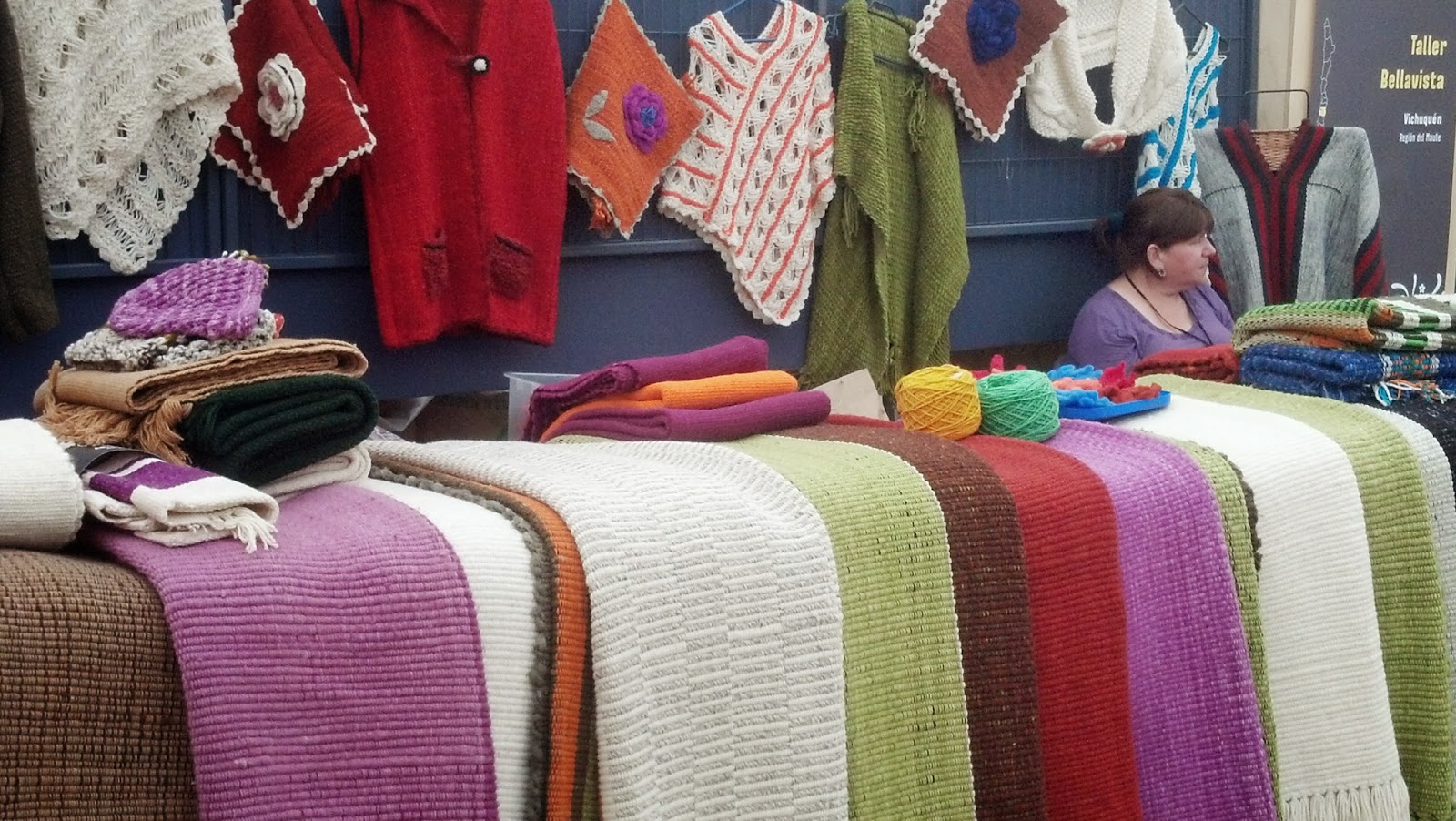
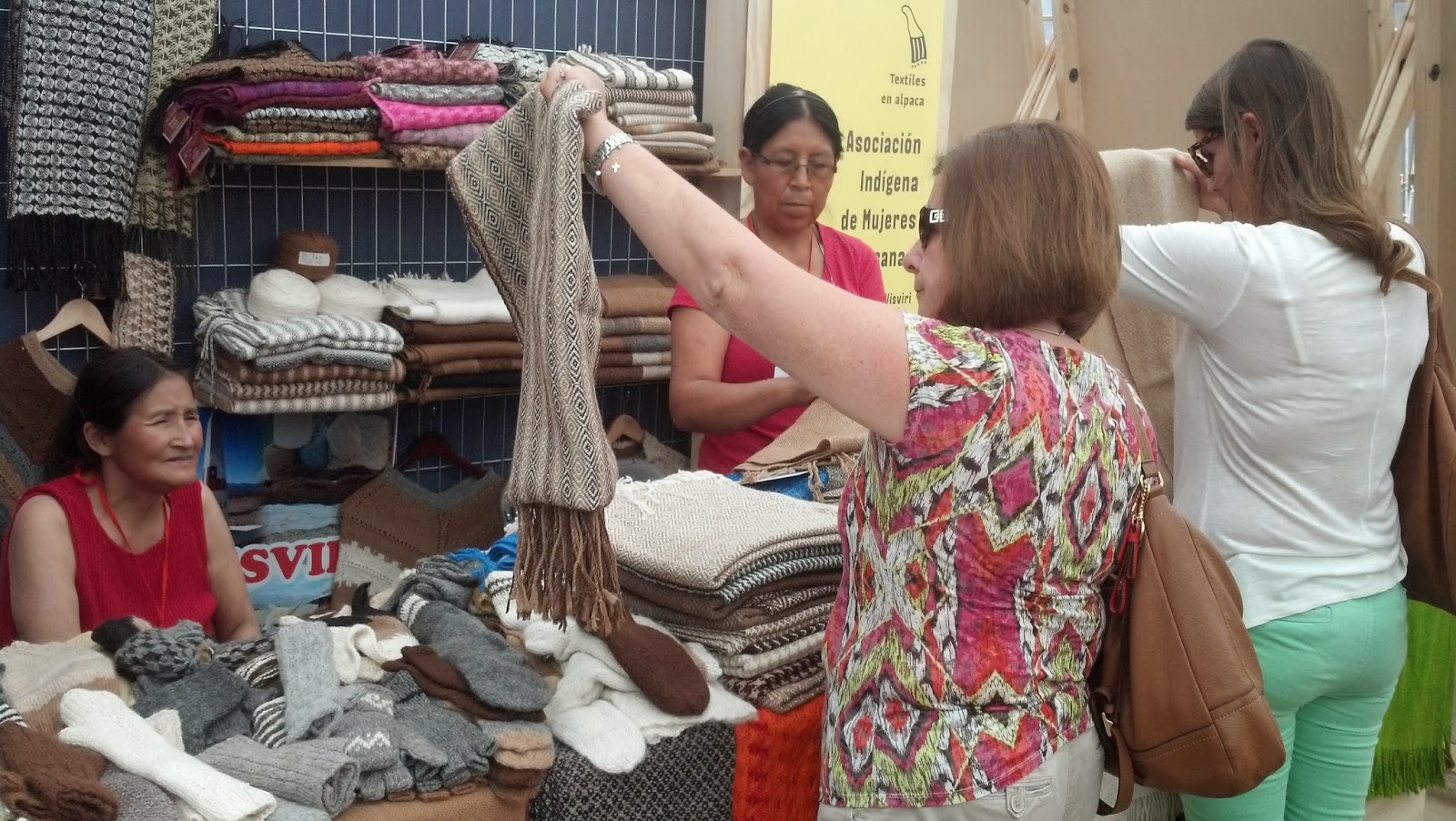
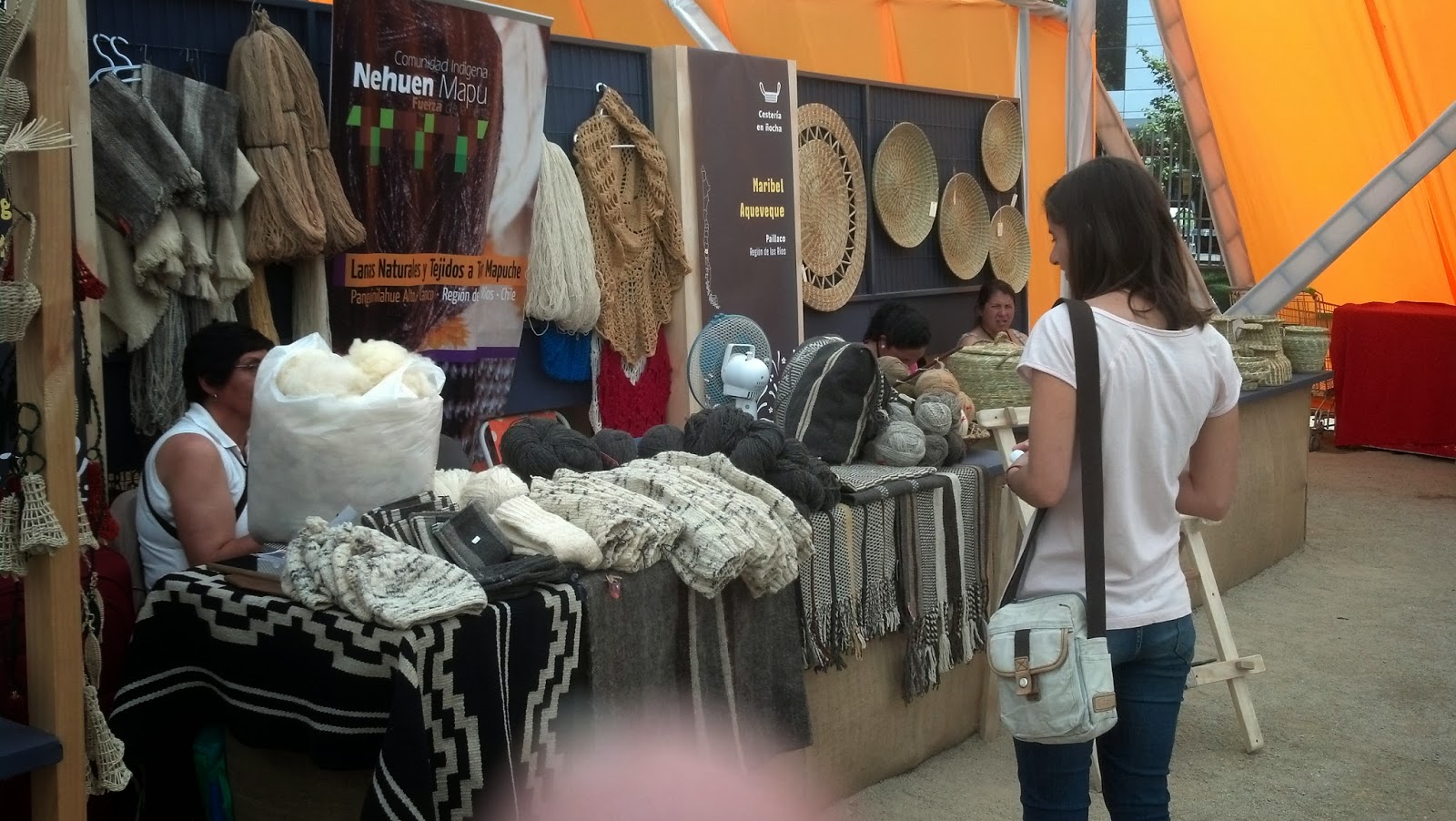
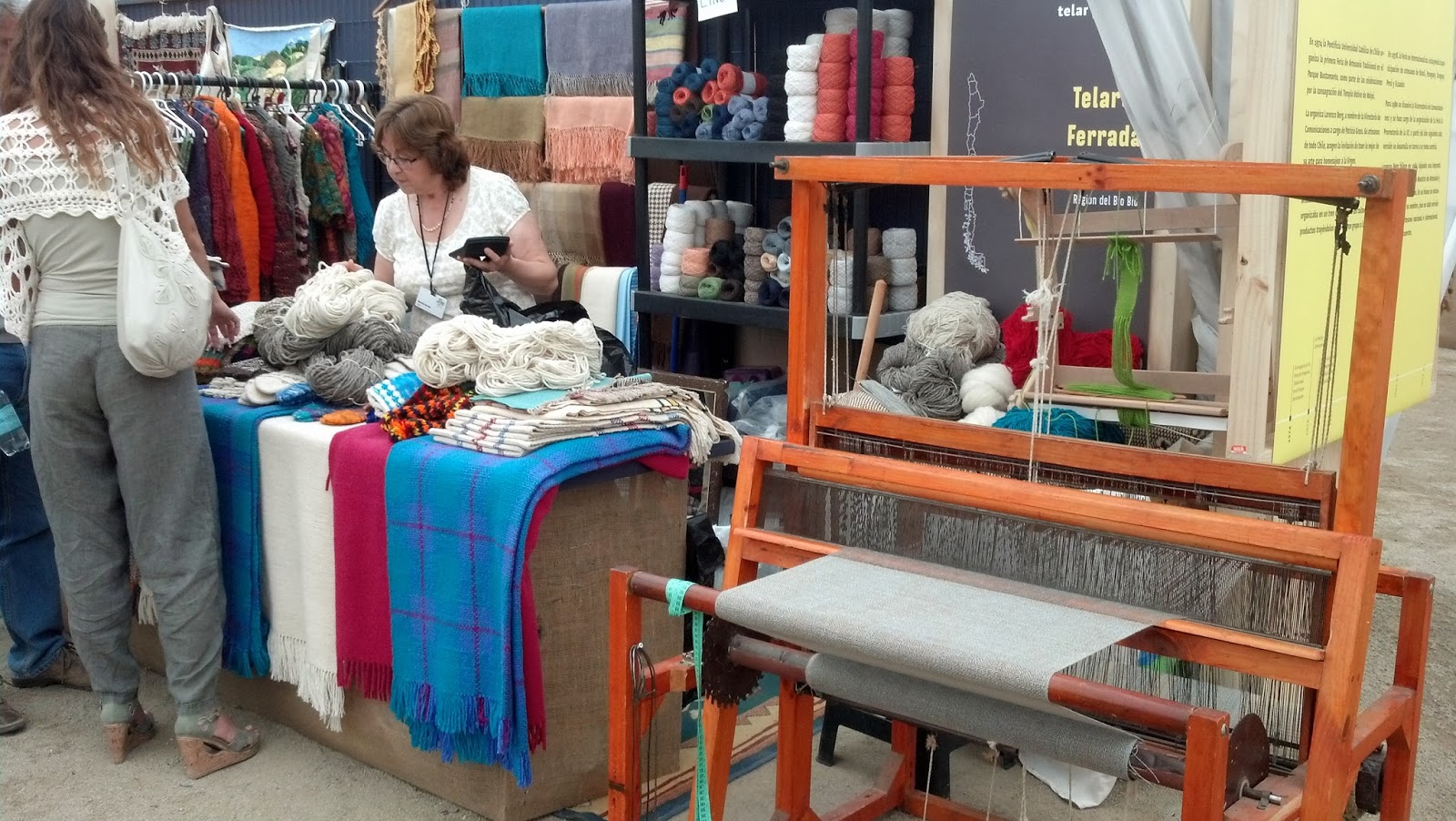
Wool, clay, wood, metal, stone, and horse hair, all materials that are readily available in Chile, and hence they are the basis for most of traditional Chilean artisan products.  Late last year, while the presidential campaign was absorbing most of the airtime in Santiago’s public media, a world class group of artisans, sponsored by the Universidad Católica, exhibited their best products in Bustamante Park near Plaza Italia in the center of Santiago, Chile.  Most exhibitors in this two-week event were Chilean, but there were also artisans from Bolivia, Peru, Ecuador, and Mexico.

I had seen the advertisements for this show, so I stopped by to take a look one day as I was walking back home from a meeting in the center of town.  I have grown somewhat skeptical of artisan shows, because I find that plastic and other foreign materials “made in china” are taking over the “artisan” world, plus, we really don’t need any more “stuff”; we have plenty stored away that we don’t even look at now.  But as soon as I entered the spacious exhibition, a deep, comforting feeling of déjà vu set in; I was taken back 45 years to my first travels through Chile as a Peace Corps Volunteer.  The scene that greeted me reminded of the  weekend trips I made in the late ‘60s with my friends Chuck, Neal, and Jane:  by bus to buy hand knitted sweaters in La Ligua, a small dusty town north of Santiago, to Pomaire, out the road west of Santiago to buy pottery, and longer trips to the colorful Chillan and Temuco markets to buy other types of pottery and Mapuche rugs and ponchos, to Valdivia to buy miniature wood carved ox carts from a guy named Rivas, and to Pucón to buy wooden platters, bowls, and boxes.  These memories resurfaced because the exhibit I was seeing bore testimony to the fact that over the years, these classic artisan products have prevailed over wave after wave of mass produced alternative “handicraft” products, and in fact today are being produced of extremely high quality at very reasonable prices; reasonable, but not dirt cheap like before, suggesting that maybe an artisan in Chile can now make a living with her work.
So what were the best offers in this exhibit?                                                                

Chaica blankets
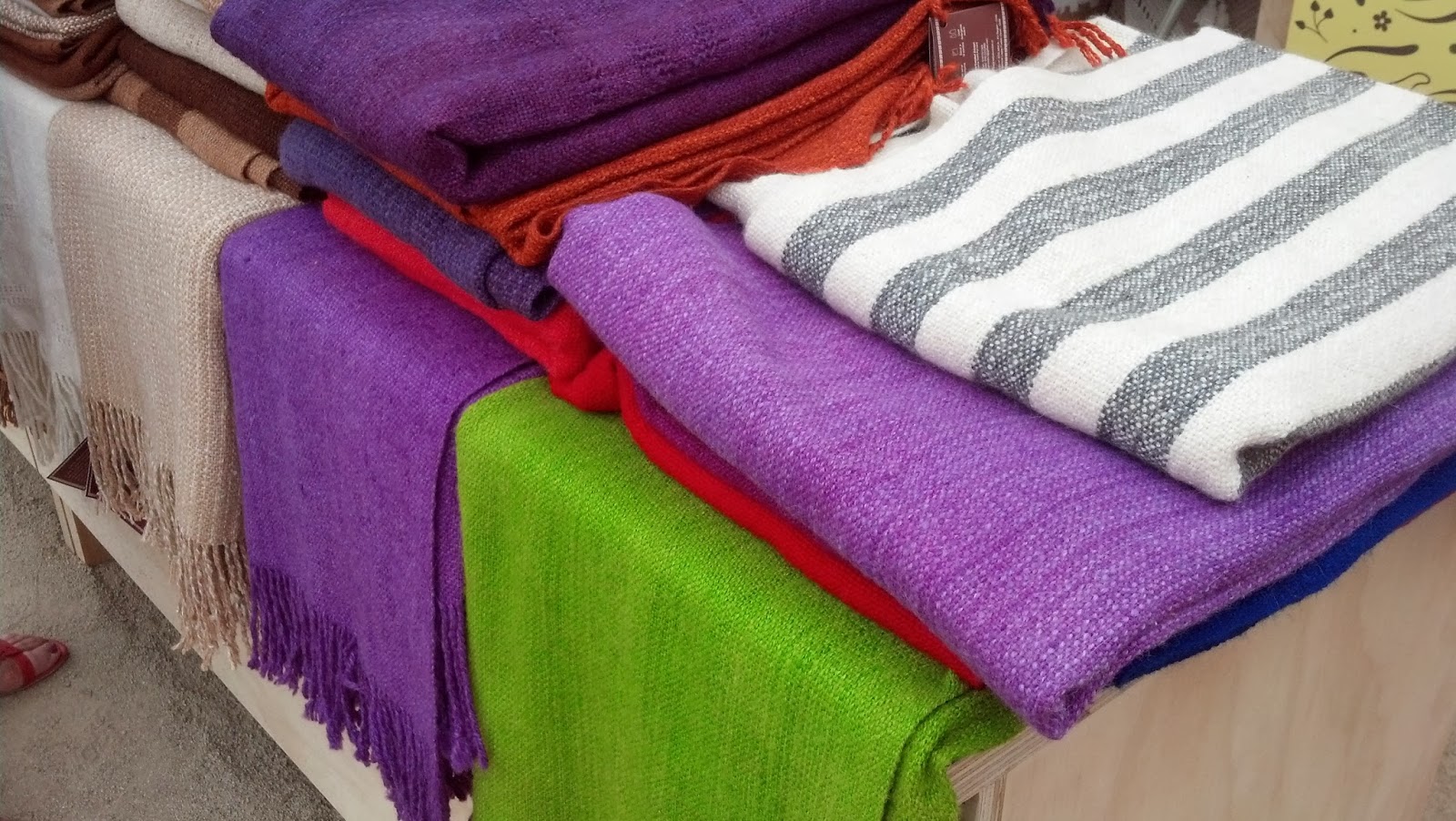
To begin with, the woven products were exceptional.  The Mapuche, indigenous inhabitants of the Araucanía Region of central-south Chile, have for decades produced colorful blankets, rugs, and ponchos.  For visitors to Chile, these goods are often the artisan product most sought after, and a trip to the central market in Temuco was a must. 

Chaica blankets
Other colorful weavings, now mostly wool, but also some alpaca (the relative of  the llama and the Vicuña), have long been made in villages in Chiloé Province, on both the Grand Island of Chiloé (Ancúd, for example) and the mainland (Chaicas for one) through which the new Carretera Austral passes on its way to Chilean Patagonia.  Maria Iris villarroel, a weaver from Chaicas, revealed to me how they get the vivid colors of green, grey, orange, and yellow in their blankets:  for the green, they soak the wool in water with heartwood from the canelo tree; for grey, they soak the stems of the nalca plant with the wool; the orange color is produced by the juice left after making chicha (cider made from grapes); and the yellow from onion skin soaked in water with the wool.  A very different style of weavings is produced by the Aymará in the far north desert region, in places like Colchane in the Tarapacá Region.

They aren’t exactly woven, but Chilean artisans have produced embroidered art, one of the most well-known being the embroidered wall hangings, about the size of a small window, that depict in the naïve mode, stories or real life scenes, produced in Isla Negra (one of Pablo Neruda’s home towns on the Central Chilean coast).  
While these Isla Negra embroiderers were producing their works to earn a living during the hard times of the dictatorship, they often inserted more or less blatant political messages in the designs protesting the state of affairs at that time.  The art is prospering in Chile still because of groups of women such as those in Ninhue and Copiulemu in the Bío Bío region.  

A trip to Pomaire was, and still is, a common one-day excursion for residents of Santiago, but mostly for tourists, both Chilean and foreign.  I remember Pomaire in the late 1960’s as a very quaint, lovely, hospitable but sleepy town, with dusty dirt streets (muddy in the winter) lined with small shops were potters worked in the back and sold their goods in the front.   
 
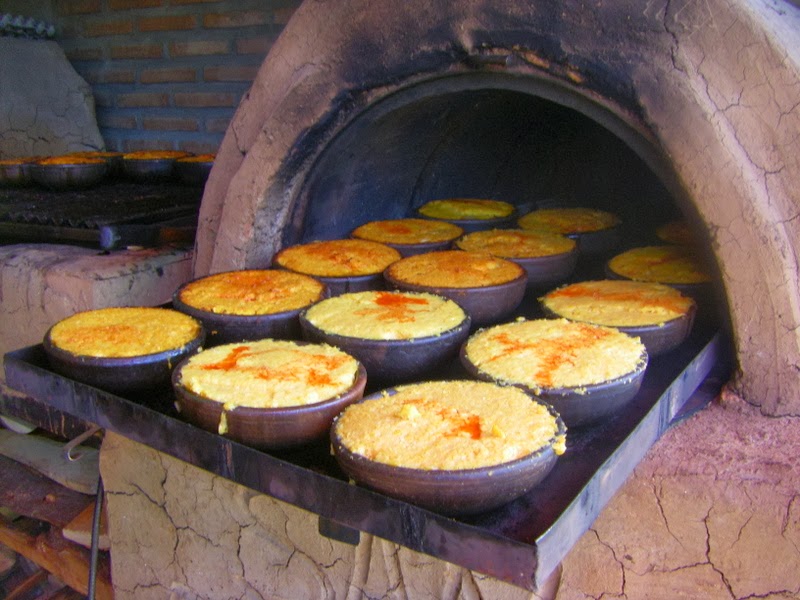
This is the home of the famous three-legged pig, made from dark brown clay.  Popular then, were the plates, cups, mugs, and individual pailas, small bowls used to bake pastel de choclo, pastel de papas, and chupe de locos.  These very practical and inexpensive items are still made today and were in the exhibition. Today they are just as popular, but Pomaire has suffered the fate of so many previously popular artisan centers overrun by tourists and invaded by cheap, trashy souvenirs that have nothing to do with the place itself.

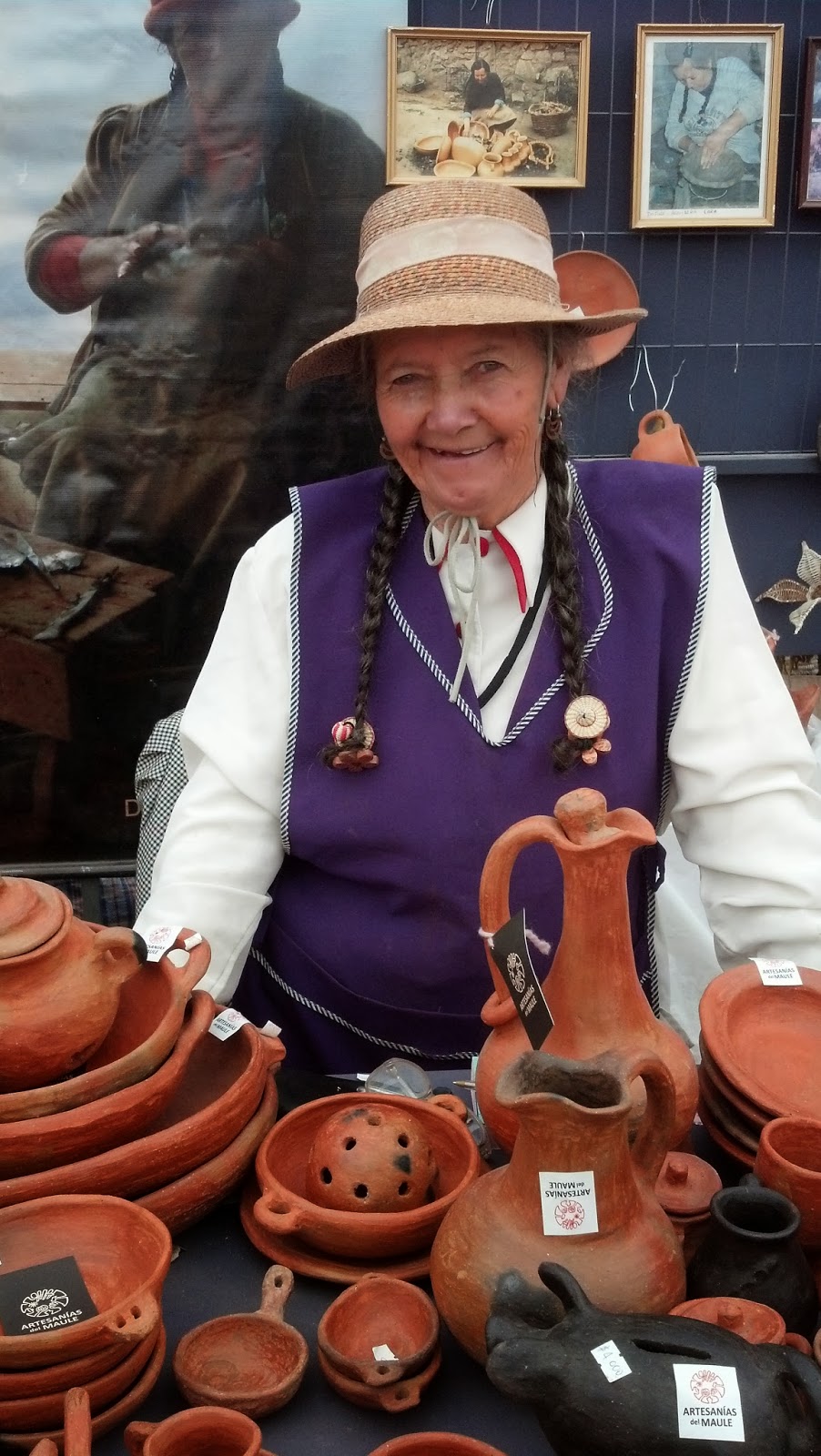
Delfina Alguilera
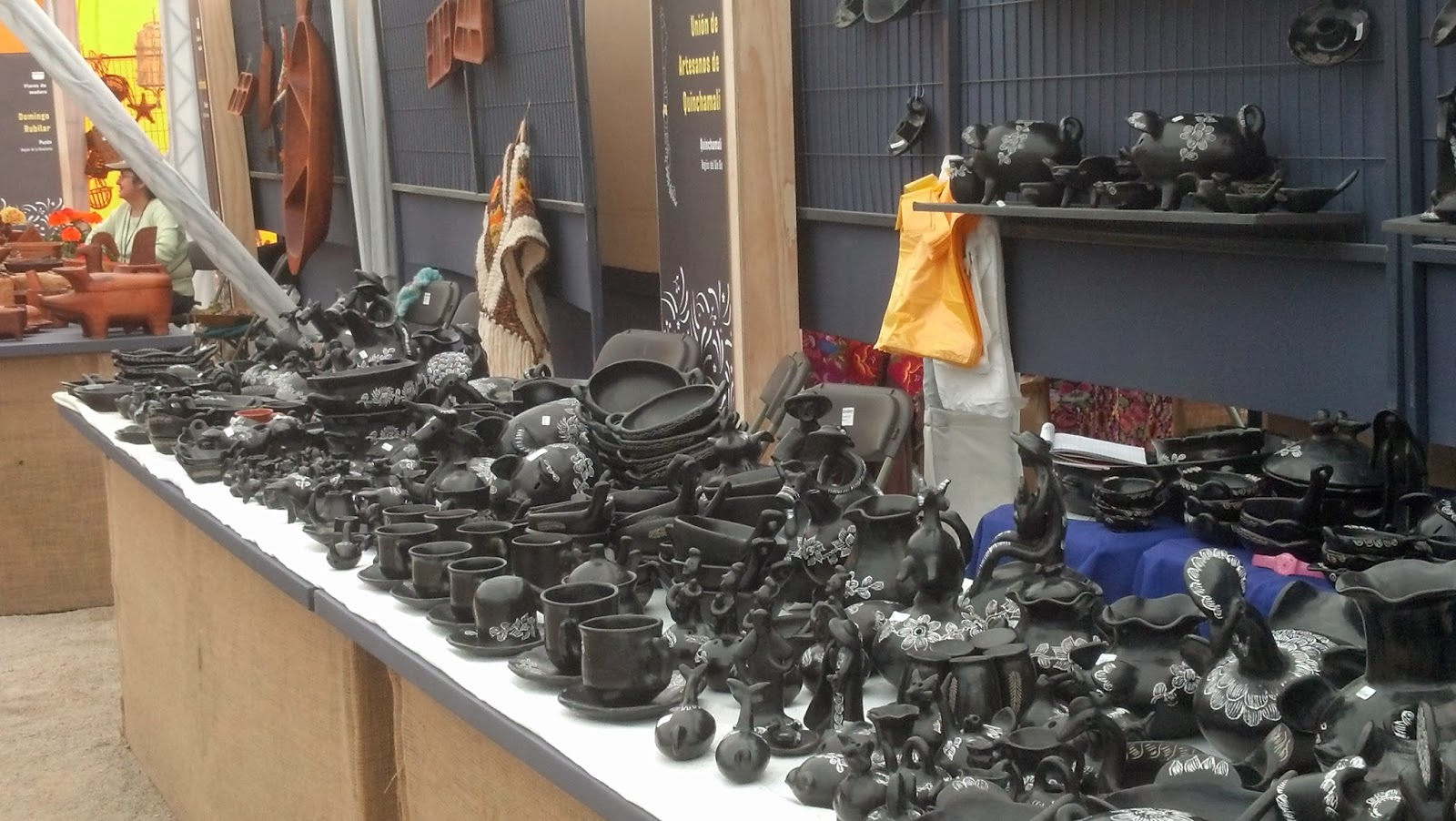
Quinchamalí pottery
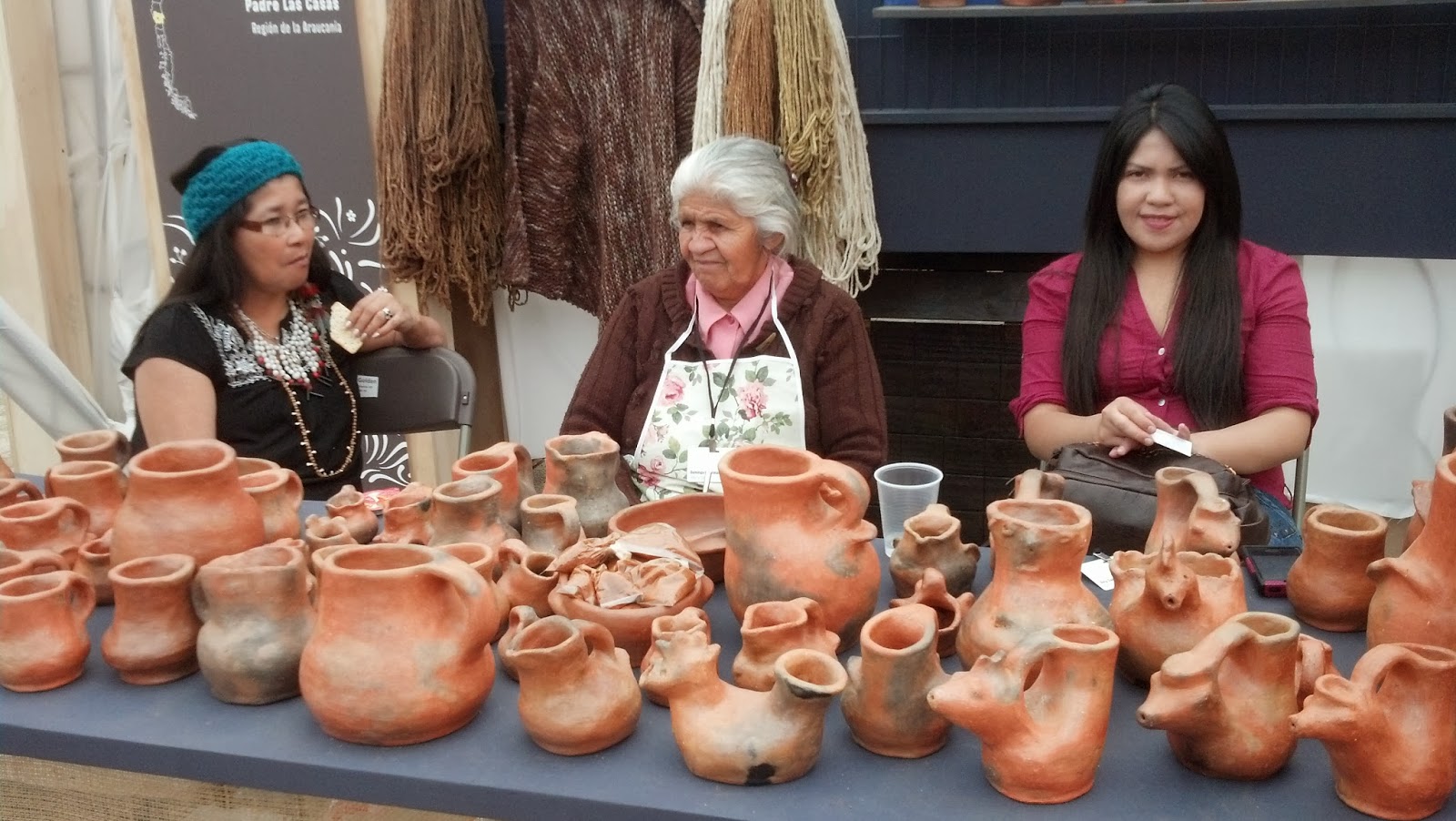
Besides pottery from Pomaire, there are now very attractive ceramic offerings now from Vichuquén in the Maule region of Central Chile, and Gorbea and Padre las Casas in the south.  Of course the traditional black with white Quinchamalí pottery is still being made in that town near Chillan, and is still very popular.  Diaguita designs from that earlier civilization, adorn pottery made in the 4th region of Chile, in what is called the Norte Chico, or small north.   A most interesting potter in the exhibit was Delfina Alguilera, an aged producer of very rustic style of pots.  She lives outside of Cauquenes, a mostly agriculture town in a very rural and quite poor area, where due to the rich clay soil in the area, large brick making operations produce building materials that match, in color, Delfina’s pottery.  She told me she wouldn’t miss participating in the exhibit since it is her only “outing” each year.

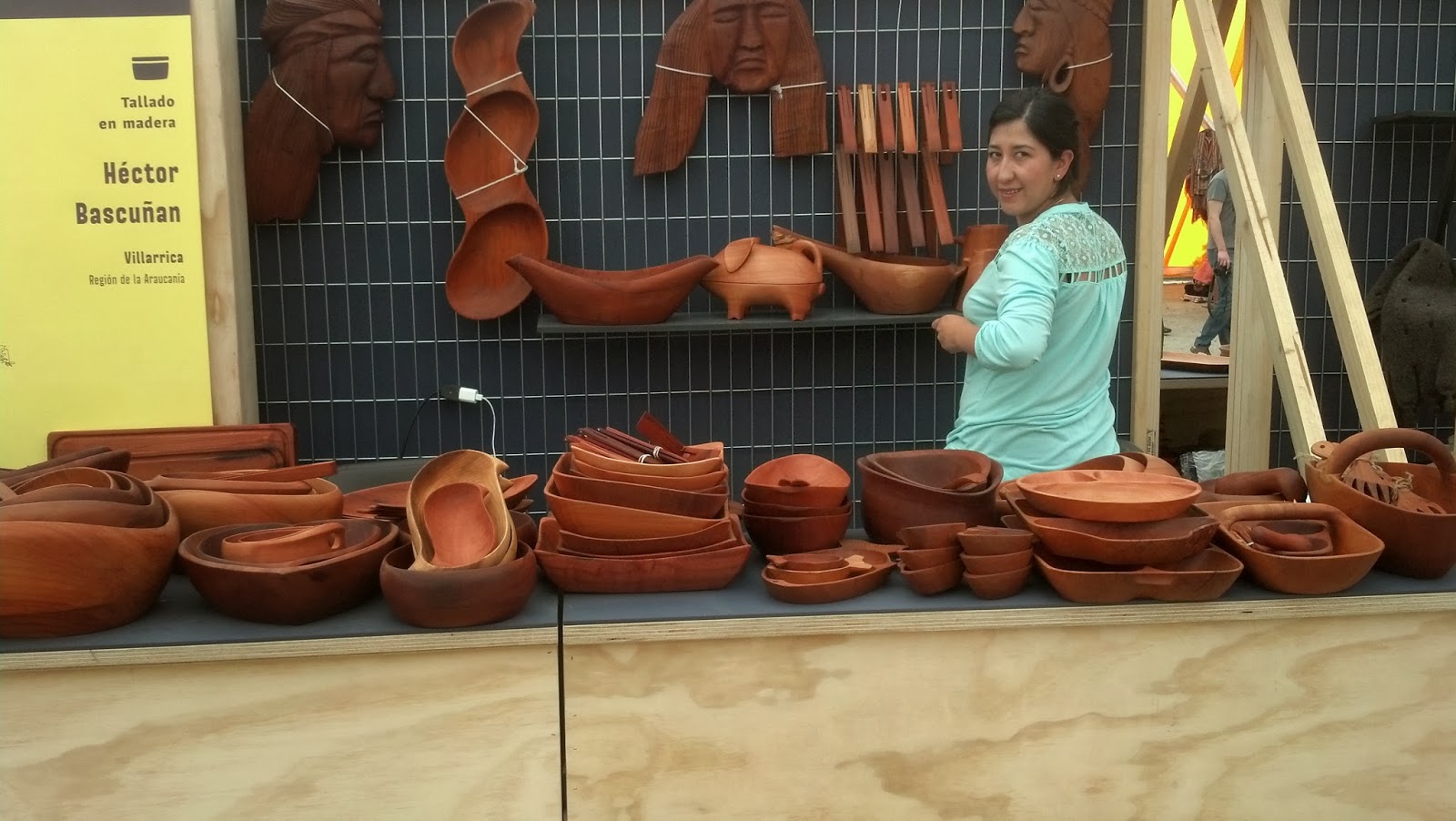
Villarrica wood bowls
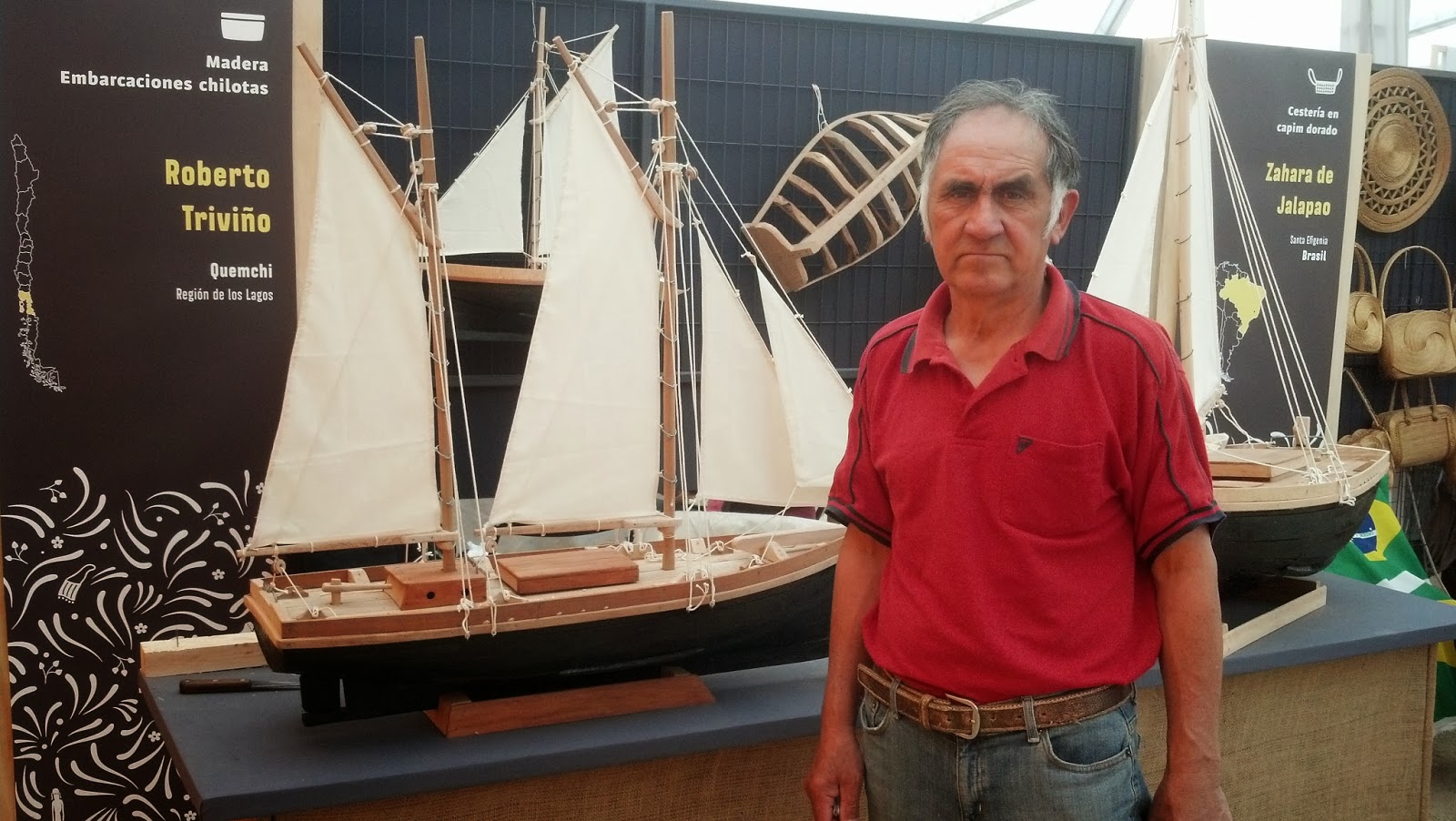
Boat builder from Quemchi
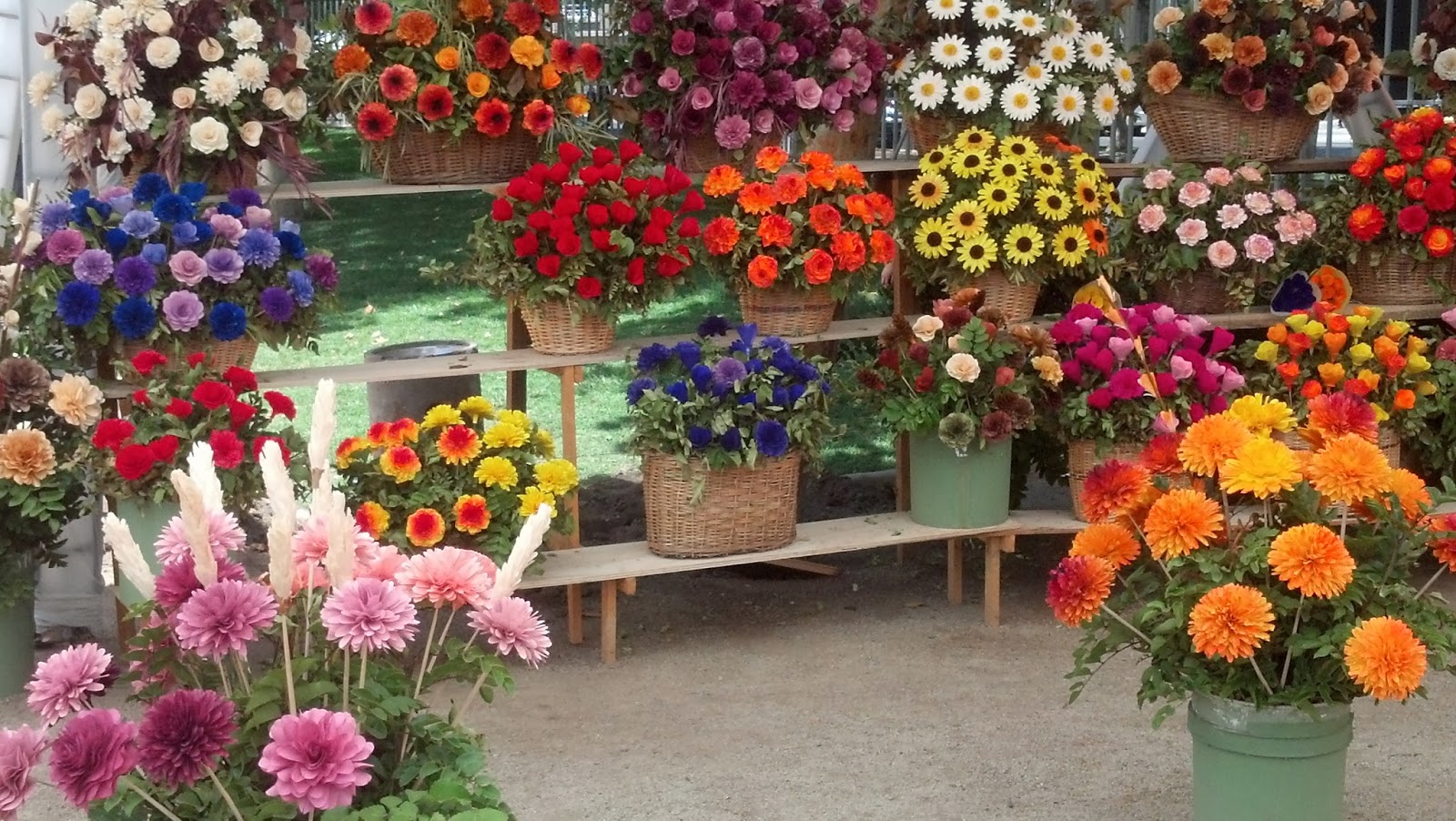
Pucón wooden flowers
The ox cart carvings we bought in Valdivia in the late 1960s from Rivas, a fantastic carver rendered quite unreliable by his love of the grape, were carved from raulí wood, a beautiful tree common to the mixed hardwood Valdivian forest in the Lakes district of southern Chile.  This same wood is the main raw material for most of the sleek bowls exhibited from Villarrica.  The unique but widely appreciated wooden flowers sold in Pucón, are not necessarily made from raulí wood.  Instead of ox cart carvings, the exhibit featured the wood working craft of miniature tall ship building.


And of course you can still buy cute items made from crin, or horse tail hair. Some are actually useful, like the Christmas tree ornaments, coasters for glasses, and book marks, and they are great gifts to take to distant friends and family because they weigh almost nothing and take up no space.  Stone mortar and pestle sets, modeled after the ones used by early inhabitants to mash grain, garlic, dried hot peppers, and anything else that required grinding into powder, make a great gift, if you don’t have to transport it very far, since it is bulky and heavy, of course.

If you have travelled south of Santiago on the Pan-American Highway, you most certainly have noticed the handmade brooms sold along the road near Rengo, and the two kilometers of stores selling mimbre (woven strips of willow wood) furniture in Chimborongo. 
 
And baskets, baskets, and more baskets.


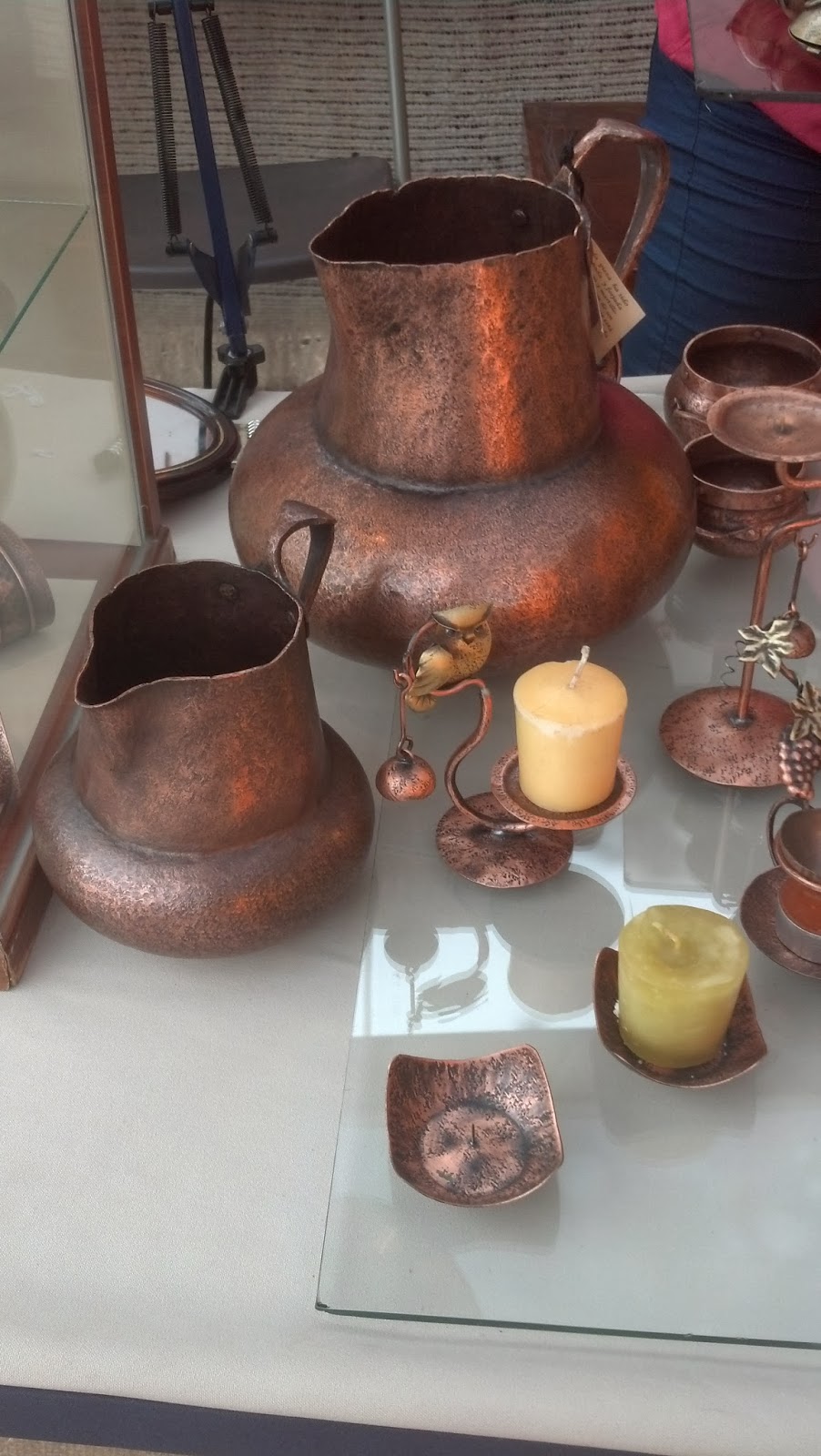
Copper jewelry, trinkets, and costly artefacts get more and more interesting as time goes on.
 
 
The leather and metalwork that goes into all the equipment a Chilean horseman needs for himself and his horse are still available, but indeed scarcer as rural Chile and the domain of the huaso give way to urban habits…and Audis.


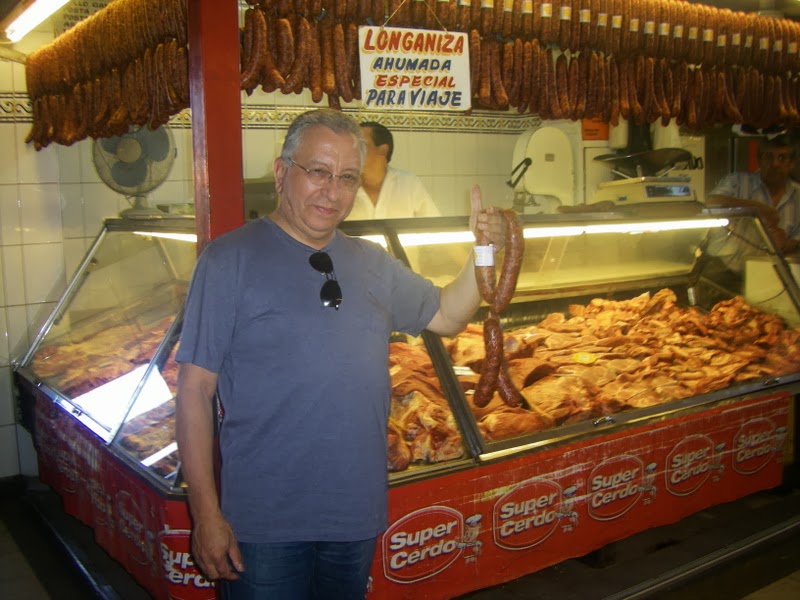
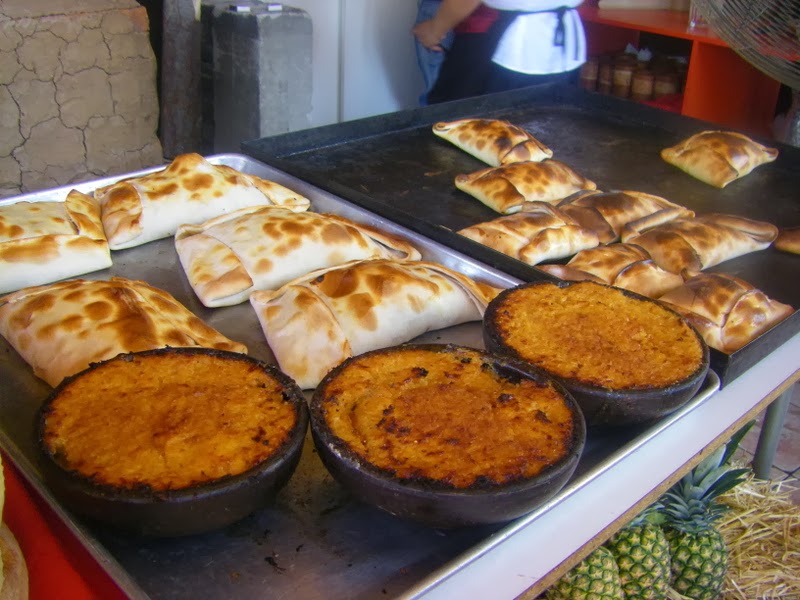
Ah yes, I almost forgot to mention, in the context of traditional Chilean artisan products, the old favorites of the empanada, the pisco sour, the longaniza from Chillán (hopefully from los Pincheira; the sausage-making Pincheiras, not the outlaws),  and a big glass of cool mote con huesillo. 
  The fine folks that make these on a daily basis are also true artisans in my book.  I salute them all.


Posted on February 5, 2014, in Santiago, Chile

Monday, February 3, 2014

Carretera Austral Day Six....Cochrane to Chile Chico and Argentine Border


Breakfast on Day six again at the Military Hotel, and we were off on the last stretch of our trip in Chile, for today we were to drive along the south side of Lago General Carrera, and cross over into Argentina at the border town of Chile Chico to begin our long drive north through the Argentine Patagonia.  Lago General Carrera is a bi-national lake, 60% in Chile and 40% in Argentina where it is called Lago Buenos Aires. 

 
It eventually empties into the Pacific Ocean at Caleta Tortel via RÍo Baker.  The road we wanted to take turned off the Carretera Austral just north of Puerto Bertrand.

Near Beltrand
Lago General Carrera
  The trip along the lake to Chile Chico is an easy, but a bit dangerous, drive.  Loose gravel with steep drop-offs can be treacherous, but as long as everyone drives with caution it is one of the loveliest drives in Chile.  And Chile Chico is a nice border town, with restaurants and stores for the traveler.  Ferries travel across the lake regularly to and from Puerto Ibañez, connecting Chile Chico and travelers with a more expeditious route to Coyhaique.  We had our last meal in Chile at the Restaurant Turismo de Chile Chico : crispy but moist broiled salmon, and lukewarm beer.


Ferry from Chile Chico to Pto. Ibañez
For the next three days we drove north through Argentina, stopping for the night in Perito Moreno, San Carlos de Bariloche and San MartÍn de Los Andes, before crossing back into Chile through the Mamuil Malal pass at the foot of magnificent Volcan LanÍn, then through Pucón, Villarrica, and eventually back onto the Pan-American highway and home in Santiago.  An account of this part of our trip trough Argentina deserves a separate literary effort, left to another day.

We had accomplished our objective of driving from one end of the Carretera Austral to the other; five thousand kilometers through the most beautiful natural areas in the world.  Along the way each bend in the road revealed a place, a side road, a trail, a river, a lake, and wonderfully happy people that beg you to stay for days if not weeks, and they especially expect you to enjoy their wonderful land.  Our trip was one focused on the pure satisfaction of driving this road as few people have done; certainly most have not traveled the entire length from Puerto Montt to Villa O’Higgins.  Instead of what we did, most visitors choose just a section of the Carretera and spend more time exploring the surroundings.  And frankly, that is the way to really appreciate this part of Chile, so now that we have satisfied our crude macro-desire, we are already planning longer but more precise visits to more limited areas on the Carretera.

One interesting route is Puerto Montt, Chaitén, Futaleufú, and back through Argentina to Chile at Puyehue, then Osorno.  This route is great as long as you traverse the Puerto Montt to Chaitén route by land, including the three barcaza crossings. Another is what most people do; fly to Balmaceda to visit Coyhaique and surroundings, Puerto Aysén, and Laguna San Rafael.  But the trip I want to make, and suggest to others, before it becomes too popular, is an extension of this by adding on a visit to Villa O’Higgins for a few days to enjoy that very special place nestled in the Andes right next to Campos de Hielo Sur and Lago O’Higgins.

As I am finishing up this rambling account, the Santiago newspapers are filled with news and opinions on the World Court’s recent determination regarding the Peru-Chile border almost five thousand kilometers north of Villa O’Higgins.  Chileans seem distraught over the possibility that Peru, with their legal challenge, might have accomplished wresting some of Chile’s maritime economic exclusive control over a portion of the Pacific Ocean 80 kilometers off the coast of Arica.  Probably there are important geopolitical issues at stake, so I am not suggesting Chileans should not be concerned; maybe they should even be more upset at the outcome.  What I am wondering, though, is how attentive  the Chilean authorities are to the vast terrestrial and maritime riches along the entire length of the Carretera Austral we just visited, as well as further south to and beyond Punta Arenas.  Is there serious strategic thinking being forged to guide development of the areas along the entire Argentine-Chilean border that runs the length of the country, but especially in the southern Patagonia region we just visited?  Is the next “surprise” of challenged or even lost patrimony going to be in the south due to a lack of serious national presence, protection, and development in the border area?

On one of our last nights on the Carretera Austral, we happened to be staying in the same hotel as the mayor of Villa O’Higgins.  We had seen the new housing developments in Villa O’Higgins, and other effects of the opening up of the Carretera, and I, for one, thought that the mayor would be excited about the prospects for his town and the area now that the Carretera is finally being finished.  However, to my surprise he divulged very deep-felt anxiety, and disappointment, with the Santiago-centric Chilean national authorities, who, to paraphrase, “…have never paid nearly enough attention to the challenges of developing and defending the incredible natural resources held in trust in the south of Chile, not the present ones, not the prior ones, nor any before them ”.

Maybe now a new government, helped along by the impact of the Peru-Chile border issue, will figure out how to provide the incentives necessary for serious investments in the distant regions of Chile, especially the “deep Patagonian south”.  The Carretera Austral, a mammoth undertaking to be sure, is just the first step in a process whereby Chileans begin to take full advantage of their rich natural endowment.  My hope is that they follow through with careful development of the entire area through which we travelled on the Carretera Austral, by committing to a model of development that encourages increased economic activity while preserving the vast protected areas of the national parks, reserves, wild rivers and lakes which can attract lucrative tourism and sustain in the long run any human settlements.


In the meantime, good readers, my suggestion is that if you ever wanted to travel the Carretera Austral in Chile, you should do it NOW!
 

Carretera Austral Day Five....Villa O'Higgins to Caleta Tortel to Cochrane


Day five started early for us, since we had to reach the RÍo Bravo landing, three hours away, to take the morning barcaza back across to Puerto Yungay, and on to Caleta Tortel where we planned to have lunch. 

Caleta Tortel is a small unique village perched on the shore of the RÍo Baker delta, between the Campo de Hielo Norte and Campo de Hielo Sur.  Originally, and to a lesser degree today, the main activity in Tortel was capturing the huge Ciprés de Las Guaitecas logs harvested from the forests up-river and floated down to the sea, to be loaded onto ships that would take the logs south to Punta Arenas, Puerto Natales, and north to Puerto Montt. 
Wood sculptures depicting Tortel's traditional logging activity

What is so special about Tortel is that this town of about 500 inhabitants has no roads; transportation from the parking area above the town, and within the town, is entirely via wooden walkways made from the same sturdy, resistant ciprés.


In spite of the fact that rain was threatening by the time we began our trek down to and through Tortel, we walked the entire length and breadth of the town.  We discovered the home of Berta Muñoz who prepared us a very tasty lunch of beef soup and boiled potatoes, with lettuce salad, served at a table in the front room of her modest but welcoming creaky wooden home overlooking the water. 

Berta Munoz

Berta lives in Tortel year around, has a few rooms with a shared bathroom with posted instructions that belie the fragile state of Tortel's hydrologics (“Throw all paper in the basket in the corner” and “showers may not be longer than 8 minutes!”), and offers meals to anyone who happens by.  We were slightly tempted to stay with Berta that night, so we could really explore this fantastically unique town, but as was our habit by now, we pushed on.

Mellizas falls

On our way to Cochrane we stopped to visit the Mellizas falls, requiring negotiating with a local shepard to open the gate for us.  


We spent the night again in Cochrane at Maria’s hotel and enjoyed a steak dinner at Ada’s Café and Restaurant (and some more delicious Santa Carolina Cabernet sauvignon).